Imagine living in 1840. Someone in your village tells you tin mining is a profitable trade to get into.
Thirty years later, a Chinese community leader named Yap Ah Loy throws himself into the industry, and is later regarded as KL's founding father. Twenty years after that, the British colonial administration moves from Klang to Kuala Lumpur, making it Selangor's state capital.

Yap Ah Loy — regarded as the founding father of Kuala Lumpur
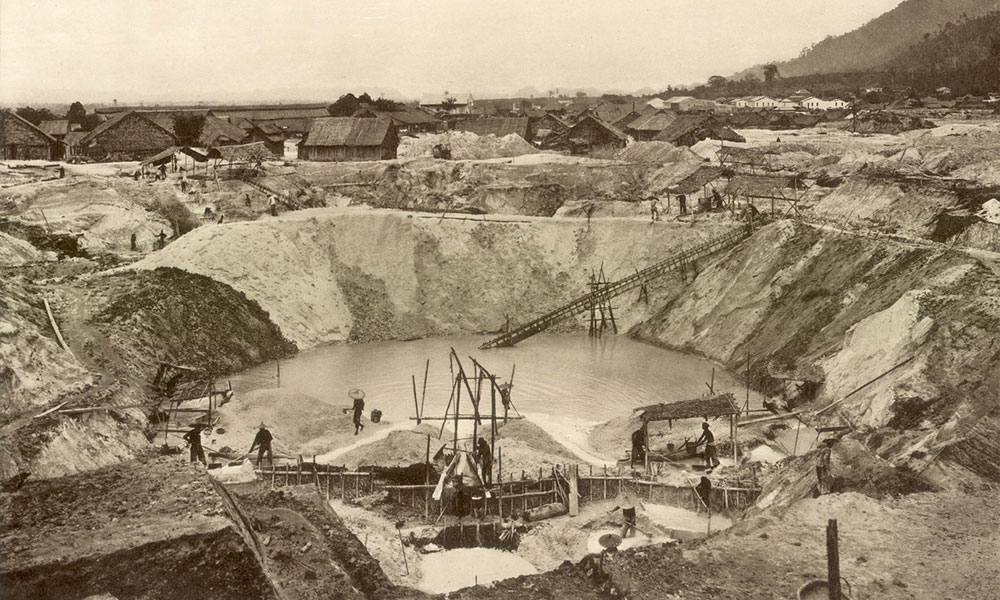
Early tin mining operations — the industry that built Kuala Lumpur
There's one obvious thread running through all of it: every wave of growth needs people. Local or foreign, KL has always pulled bodies in to build whatever came next.
The numbers that tell the real story
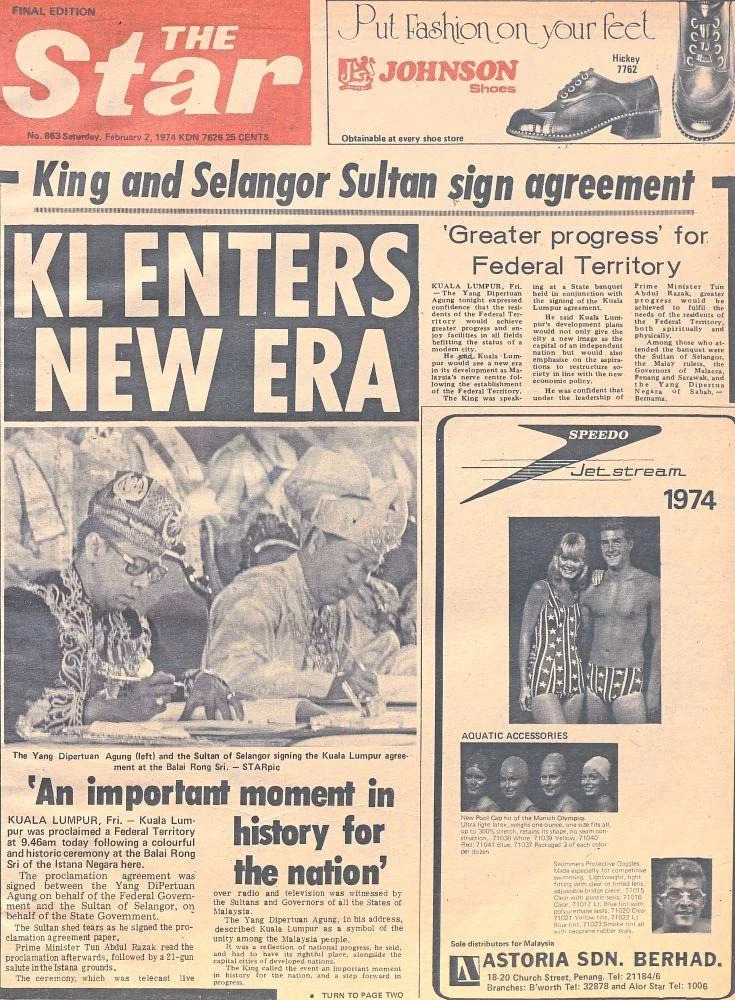
The Star, 2 February 1974 — the day KL became a Federal Territory
As a Klang Valley kid, Chinese New Year always had a strange quiet to it. The first three days, my friend group basically disappeared. Everyone went balik kampung — Seremban, Perak, Melaka, the list goes on. As a child I never thought much of it. Looking back now, it says something about this city: most of the people who fill it didn't start here.
KL's growth was never about birth rate. It was about migration.
Rural-to-urban, mostly — people from Kelantan, Terengganu, Pahang, Perak moving into KL once it became the commercial and financial centre of the country. Foreign labour did the rest — Indonesia, Bangladesh, Nepal, Myanmar — holding up the service, construction and informal sectors since the 1990s boom, right through to the construction wave we're living in today.
The numbers back this up in an almost uncomfortable way. Malaysia's fertility rate fell from 4.9 children per woman in 1970 to just 1.6 today, and Kuala Lumpur itself records the lowest birth rate of any state in the country.
KL didn't grow because more babies were born here. It grew because people kept arriving, chasing the same thing — work, opportunity, the same pull we keep writing about with TRX today.
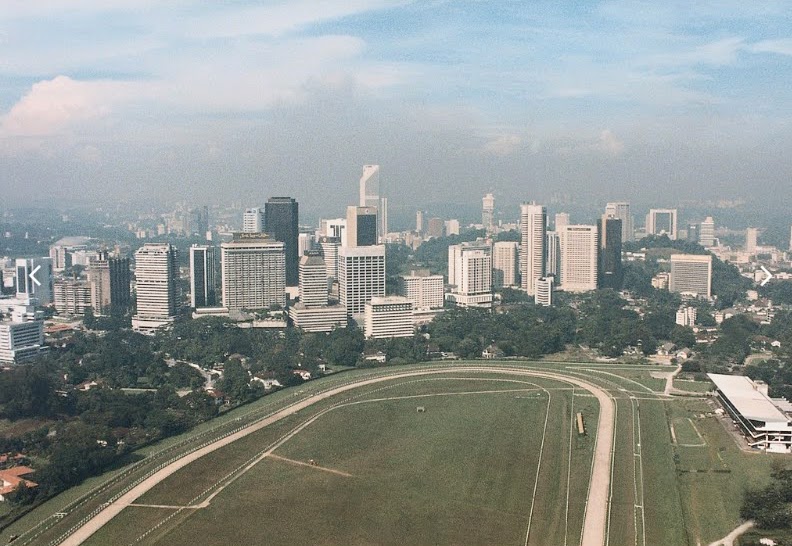
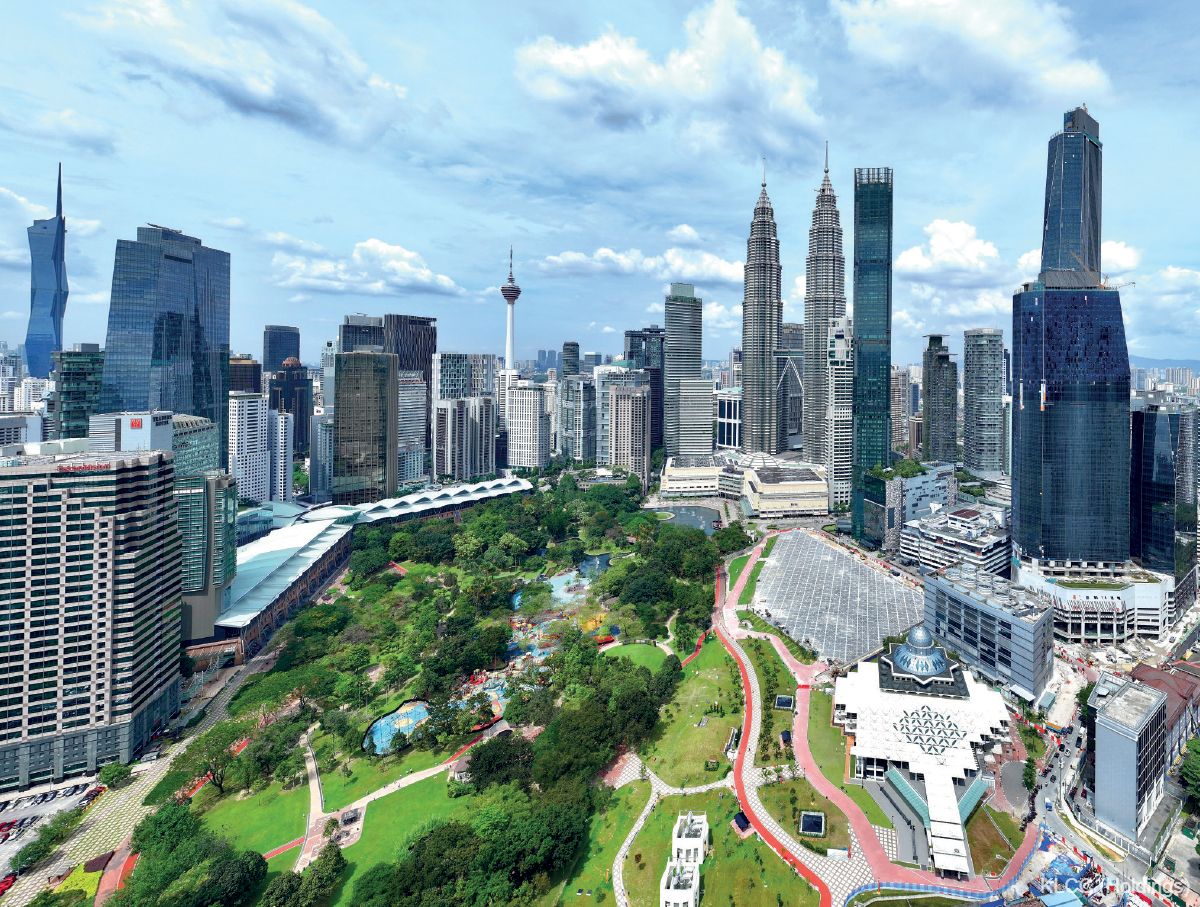
KL then and now — the old racecourse gave way to one of Asia's most recognisable skylines
And that pull always comes from somewhere
Ipoh was once the largest town in the Federated Malay States outside KL itself — its population more than doubled from 23,978 in 1911 to 53,183 by 1931, almost entirely on the back of tin. Tin made more millionaires in Ipoh than in any other Malayan town. Then the industry collapsed by the 1990s, and the young left — for KL, for Penang, for anywhere with work. Ipoh has spent decades since trying to build a second identity around tourism and heritage. It's getting there. But it took losing everything first.
Gopeng, just 20km south, tells the quieter version of the same story. Before Ipoh ever rose to prominence, Gopeng was the region's premier tin town. Since the 1980s collapse, it's drifted into a slow decline — old shophouses left standing as the only trace of what the town used to be.
Neither place disappeared. People still live there. Shops still open. But when the industry that built a town is gone, and its young have already left for somewhere else, what remains isn't collapse — it's a kind of stillness. A town that stopped growing while everywhere else kept moving.
Progress in one place is rarely free everywhere else. Somewhere, a town quietly pays for it.
This isn't a reason to stay away from KL's growth corridors. If anything, it's the opposite — understanding why a place grows tells you something about where it's headed next. But it's worth sitting with the other half of the story too.
Thinking about where to invest next?
Understanding the macro story is step one. The right project depends on what you expect the property to bring you. Let's talk it through.
Get in touch →